AI
Is AI going to replace technical writers? A definitive answer is impossible, but what is clear is that AI can't (for now) do everything a good technical writer can.
Rather than catastrophizing, we should try to understand it and use it where it can add value, freeing us for tasks where a human understanding is crucial.
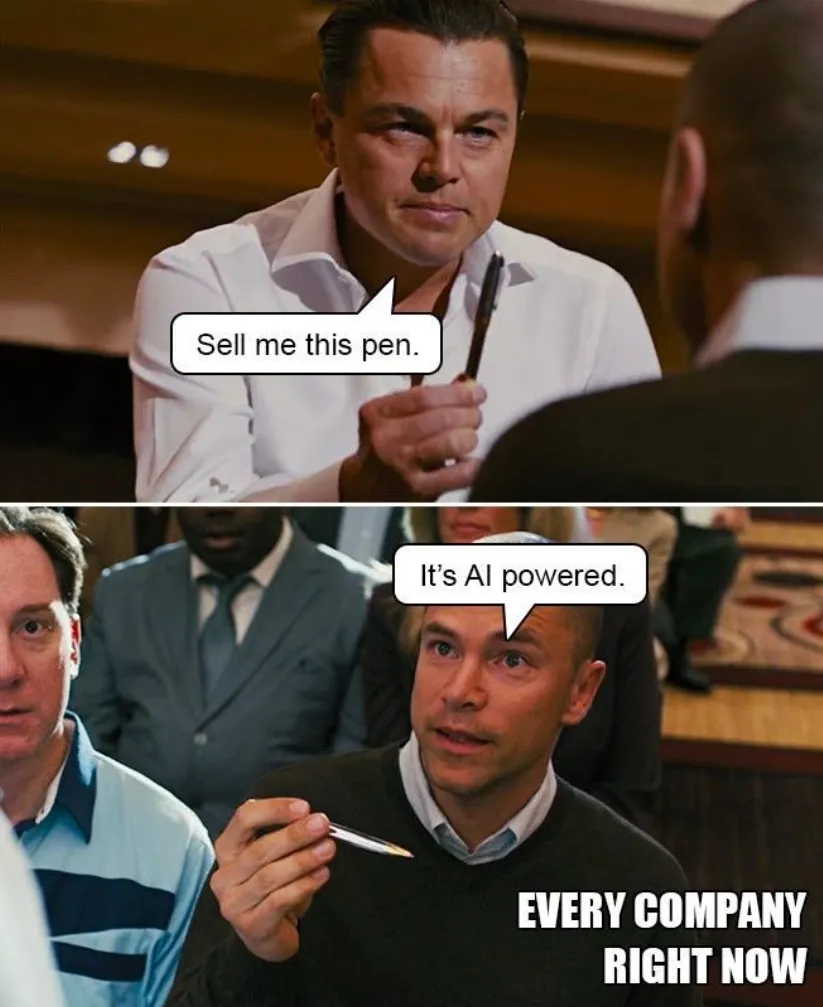
GenAI, like ChatGPT or Copilot, can help with:
- Content creation - generate first drafts of documentation based on existing materials, saving time for technical writers. Archbee, through its Documentation.new tool, can even generate an entire website from a single prompt. You can find a more detailed overview of the platform in its dedicated page in this playbook: Documentation.newDocumentation.new.
- Editing - analyze the content and suggest improvements in grammar, style and structure.
- Search enhancement - allows users to locate the most relevant content quickly, even if their queries are vague or ambiguous.
- Automating tasks - AI shines where there is structure; use it for things like converting tables from one format to another and even writing scripts to automate documentation processes.
Getting Results out of AI
To ensure the best results, it is essential to train AI tools with domain-specific knowledge. Tailoring AI models to the specific terminology and nuances of your product or industry will lead to more relevant and accurate documentation suggestions.
Prompting is also a skill that technical writers need to develop. Feeding a collection of specifications, bug reports and enhancement tickets into GenAI will result in a document that seems to make sense, but the garbage-in-garbage-out principle always applies: the output is only as good as the input.
A good technical writer will:
- Instruct the AI model how to format the output. This can include the tone to use, the length of the output, and you can even feed a mini-style guide into the prompt.
- Include caveats. It takes a human to notice that there are inconsistencies in the source materials and tell the AI to deal with them!
- Review the initial output and refine it through further prompts. For example, if the first draft uses a wrong term, you can tell the AI to rewrite it using the correct word.
- Work in chunks, if needed. A large document can be handled iteratively - first the introduction, then the procedures, etc.
- Choose the scenarios wisely. Converting a bulleted list into a Markdown table? Yes, this is exactly the manual task that GenAI can make trivial. Extracting a 20-step procedure from 5 conflicting documents? A human brain is definitely needed to make sense of the intricacies.
Limitations of AI for Technical Writing
That being said, there are many aspects where AI struggles:
- Generating documentation for proprietary software Writers who document niche products that don't have public documentation have deep knowledge of the particularities of the software, which AI can't have. Getting a good documentation draft from an AI can be nearly impossible in this case, as the AI does not have any context about your product.
- Chatbots can't answer without the underlying sources If no one writes the documentation in the first place, chatbots can't use it. Answers from stale data or hallucinations are worse than no answer.
- Understanding complex concepts Writers can break down intricate technical details into clear, understandable content, something AI struggles with due to a lack of deep contextual understanding.
- Audience-centric communication Technical writers tailor content to suit the audience’s needs, adjusting tone and complexity, while AI may miss these nuances.
- Contextual decision making Writers consider the broader context, product evolution, and user needs when creating or updating documentation, while AI might overlook these elements.
- Collaborating with SMEs Writers work closely with subject-matter experts to clarify complex ideas, ensuring content is accurate and user-friendly, something AI cannot replicate in dynamic conversations.
- Ethical content creation Writers ensure documentation is inclusive and sensitive, avoiding potential ethical pitfalls, which is a challenge for AI without a moral framework.
- Creative problem solving Writers creatively address unforeseen issues in documentation, offering solutions that AI, based on patterns, cannot generate.